News about hantavirus can sound scary, especially when you hear that some types of the virus can cause serious illness. But for most families, there is no reason to panic.
The recent outbreak linked to a cruise ship involved a rare type of hantavirus called Andes virus. Health experts are watching it closely because Andes virus is different from most hantaviruses. It can sometimes spread from person to person, but this is rare and usually requires close, long-lasting contact with someone who is already sick. The risk of broad spread in the United States is considered extremely low at this time.
Still, it helps for parents to know what hantavirus is, how it spreads and what families can do to stay safe.
What is hantavirus?
Hantaviruses are a family of viruses usually carried by rodents, such as mice and rats. People can get sick if they breathe in tiny particles from infected rodent urine, droppings or saliva. This can happen when rodent waste is stirred up into the air, especially during sweeping, vacuuming or cleaning in a space where rodents have been living.
Why is Andes virus in the news?
The current outbreak involves Andes virus, a type of hantavirus found mainly in parts of South America. Most hantaviruses spread from rodents to people, not from person to person. Andes virus is unusual because person-to-person spread has been seen in past outbreaks.
That does not mean it spreads easily. In past outbreaks, spread between people has usually happened after close, long-lasting contact with a person who had symptoms. This may include direct physical contact, sharing a sleeping space, kissing, sharing utensils or handling contaminated bedding.
That is very different from casual contact, such as walking past someone, being in the same room for a short time or going to school with someone who is not sick.
Should parents be worried?
For most families, the answer is no.
Hantavirus can be serious, but it is rare. The current Andes virus outbreak is being handled through public health steps such as contact tracing, monitoring people who may have been exposed and isolating people who are sick. These steps are meant to find possible cases early and limit spread.
The reason Andes virus is getting attention is not because it spreads like COVID-19 or the flu. It is getting attention because it can cause severe illness and because, unlike most hantaviruses, it has a limited ability to spread between people in certain close-contact situations.
The key message is this: You do not need to panic, but you should be aware. For most families, the biggest practical risk is still contact with rodents or rodent droppings, not everyday contact with other people.
Who is most at risk?
Most people who get hantavirus are exposed through rodents or rodent droppings. Risk can be higher for people who clean cabins, sheds, garages, barns, storage areas or other places where rodents may have been living.
For the current Andes virus outbreak, health officials are also paying close attention to people who had close, prolonged contact with someone who was sick. This may include cabin mates, intimate partners, people who shared an enclosed space for a long time or people who handled contaminated bedding or body fluids without protection.
This is why public health teams monitor people who may have had a higher-risk exposure. It does not mean the average person needs to worry about getting hantavirus from casual contact in daily life.
Can kids get hantavirus?
Children can get hantavirus if they are exposed to infected rodents or their droppings, urine or saliva. But hantavirus infection is uncommon. For most kids, the biggest risk is not everyday contact with other people. It is being around rodent-infested areas or breathing in particles that get stirred up from rodent droppings, urine or nesting materials.
This means children do not need to worry about getting hantavirus from casual contact at school or in public places. Families should focus on practical prevention: keep children away from wild rodents, rodent nests, droppings and dead rodents. Adults should handle any cleanup safely.
What symptoms should parents watch for?
Symptoms of hantavirus illness can start days to weeks after exposure. For Andes virus, symptoms usually appear within 4 to 42 days after exposure.
Early symptoms can look like many other illnesses and may include:
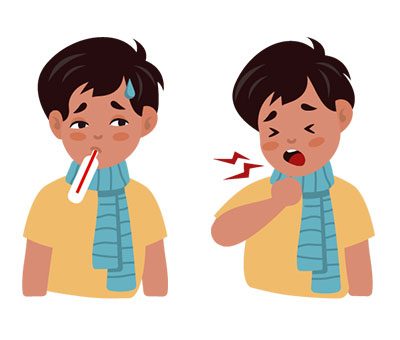
- Fever
- Tiredness
- Muscle aches
- Headache
- Chills
- Nausea
- Vomiting
- Diarrhea
- Belly pain
Later symptoms can include coughing, shortness of breath and chest tightness. These breathing symptoms can become serious and need medical care right away.
If your child has symptoms after a known rodent exposure, call your pediatrician. If your child has trouble breathing, chest tightness or severe symptoms, seek emergency care.
How can families prevent hantavirus?
The best way to prevent hantavirus is to avoid contact with rodents and their droppings. When cleaning areas that may have had a heavy rodent infestation, always wear a mask and use a 10% bleach solution to wet clean the area.
Because the current outbreak involves Andes virus, prevention also includes following public health guidance if your family is ever contacted about a possible exposure. People who had close contact with someone infected may be asked to monitor symptoms or take other steps based on their exposure risk.
How to talk to kids about hantavirus
Kids may hear confusing or scary things about hantavirus from classmates, TV or social media. They may hear that it is “the new COVID,” that everyone can get it from rats or that doctors cannot help people who get very sick.
If your child asks about hantavirus, start by asking what they have heard. Then correct any misinformation in a calm, simple way. You might say: “Hantavirus is a real illness, but it is very rare. It does not spread easily like COVID or the flu. Most people do not need to worry about getting it.”
If your child is worried about rodents, you can say: “Some rodents can carry germs, so we do not touch wild mice, rats, nests or droppings. If we see signs of mice, an adult will clean it up safely.”
Keep the conversation short and honest. Children do not need every detail about outbreaks. They need to know that trusted adults are paying attention and that there are simple ways to stay safe.
What if my family recently traveled?
If your family was contacted by a health department because of a possible exposure, follow their instructions. Public health teams may recommend symptom monitoring or other steps depending on the type of exposure.
If you were not contacted by public health officials and did not have close contact with someone known to be sick with Andes virus, your risk is likely very low.
The bottom line for parents
Hantavirus can be serious, but it is rare. The current outbreak involves Andes virus, which is getting attention because it can sometimes spread between people after close, prolonged contact. It does not spread easily like COVID-19 or the flu.
For most families, the most important steps are simple: keep kids away from rodents and rodent droppings, clean up rodent evidence safely and call your pediatrician if your child becomes sick after a possible exposure.




 https://riseandshine.childrensnational.org/wp-content/uploads/2026/10/baby-and-thermometer-feature.jpg
300
400
Rise and Shine
https://riseandshine.childrensnational.org/wp-content/uploads/2017/11/childrens_riseandshine_logo.jpg
Rise and Shine2026-10-21 17:07:012026-10-21 17:07:01How to protect your baby from RSV this fall
https://riseandshine.childrensnational.org/wp-content/uploads/2026/10/baby-and-thermometer-feature.jpg
300
400
Rise and Shine
https://riseandshine.childrensnational.org/wp-content/uploads/2017/11/childrens_riseandshine_logo.jpg
Rise and Shine2026-10-21 17:07:012026-10-21 17:07:01How to protect your baby from RSV this fall








Leave a Comment
Want to join the discussion?Feel free to contribute!