When it comes to childhood vaccines, it’s normal for parents to feel confused or overwhelmed. Pediatricians understand these concerns and are here to support families as they make informed decisions about their child’s health.
Below are answers to some of the most common questions parents ask about vaccines.
Why are vaccines important?
Research shows that vaccines are one of the most effective ways to prevent serious illness and keep children healthy, making them a cornerstone of preventive care. Vaccines don’t just protect individual children. Through herd immunity, classmates, families and the broader community also stay protected from serious disease and illness.
How do vaccines work?
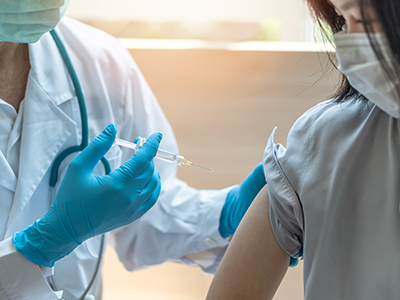
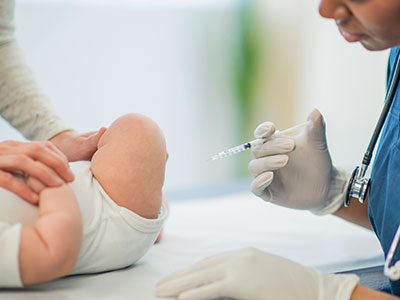
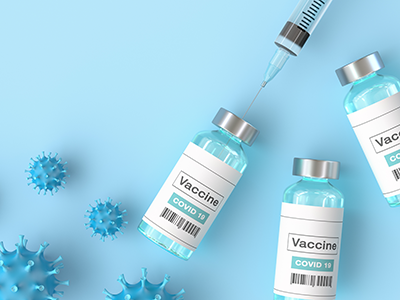
Usually administered through injection, vaccines work by training the immune system to recognize a virus or bacteria without actually causing the illness. They prepare the body to respond quickly and effectively if exposed in the future.
Disease prevalence, healthcare access and community risk vary widely across the globe. For example, the size and diverse population of the United States creates different public health and immunization needs than a smaller country like Denmark.
Are vaccines still safe and available for my child?
Yes. Vaccines remain safe and available to children. No vaccines have been banned or removed. They are also still covered by insurance, including Medicaid, the Children’s Health Insurance Program (CHIP) and the Vaccines for Children (VFC) program. Additionally, no new research has surfaced that leads pediatricians to believe any routine childhood vaccines are unsafe.
What has caused vaccination rates to drop, and what impact does this have?
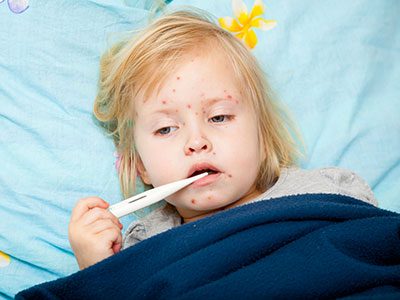
Parents often hear conflicting information about childhood vaccines in the news and on social media, which can create uncertainty about the best way to keep their children healthy. At the same time, continued decreases in vaccination rates can have serious public health consequences, including outbreaks of vaccine-preventable diseases like measles and whooping cough.
Who should I talk to when making decisions about vaccines for my child?
Parents should talk with their trusted pediatrician about what is right for their child, especially as recommendations change over time. Pediatricians are always available to support parents in making informed decisions about vaccines.
What are some common questions pediatricians hear from parents about vaccines?
Common questions pediatricians welcome include:
- What vaccines are recommended for infants, children and teenagers?
- Are there any side effects or risks of vaccines?
- Is it safe to give multiple vaccines on the same day?
- What immunizations should parents and other household members receive when they have a newborn?
- What data or research on vaccines can help me feel confident in my decisions as a parent?
What is most important to remember about vaccines?
Vaccines are safe, effective and essential for protecting individual children and the health of communities nationwide.





 https://riseandshine.childrensnational.org/wp-content/uploads/2026/01/boy-flexing-after-vaccine-feature.jpg
300
400
Rise and Shine
https://riseandshine.childrensnational.org/wp-content/uploads/2017/11/childrens_riseandshine_logo.jpg
Rise and Shine2026-01-20 16:52:102026-01-20 16:52:10What parents should know about childhood vaccines
https://riseandshine.childrensnational.org/wp-content/uploads/2026/01/boy-flexing-after-vaccine-feature.jpg
300
400
Rise and Shine
https://riseandshine.childrensnational.org/wp-content/uploads/2017/11/childrens_riseandshine_logo.jpg
Rise and Shine2026-01-20 16:52:102026-01-20 16:52:10What parents should know about childhood vaccines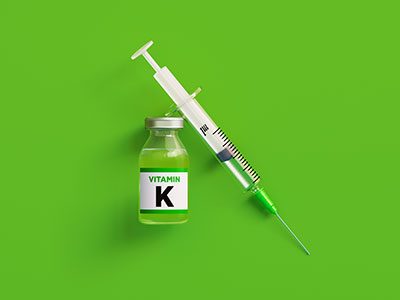



Leave a Comment
Want to join the discussion?Feel free to contribute!