When your baby is born, there are many routine steps that help protect their health right from the start. One of the most important is a vitamin K injection, which pediatricians recommend for all newborns shortly after birth.
Vitamin K plays a critical role in helping blood clot properly. Without enough vitamin K, babies can be at risk for dangerous bleeding that may not be visible right away. The good news is that a single vitamin K shot at birth is a safe and highly effective way to prevent these complications.
Why babies need vitamin K
Vitamin K is essential for blood clotting. In adults and older children, vitamin K comes from food and from healthy bacteria that live in the gut. Newborns, however, start life with very low levels of vitamin K for several reasons.
Vitamin K does not cross the placenta in significant amounts during pregnancy. Babies are also born without the gut bacteria needed to produce vitamin K on their own. Even breast milk contains only small amounts of this vitamin.
Because of this, newborns are naturally at risk for vitamin K deficiency during their first months of life unless they receive supplementation.
What is Vitamin K Deficiency Bleeding?
Vitamin K Deficiency Bleeding, often called VKDB, is a rare but very serious condition that occurs when a baby does not have enough vitamin K to support normal blood clotting.
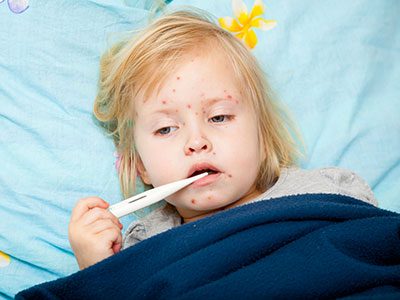
Some infants develop VKDB within the first week of life. Early signs may include bleeding from the umbilical cord stump, excessive bleeding after circumcision, or bleeding in the intestines.
In other cases, bleeding can occur weeks or even months later. This is known as late-onset VKDB and can happen up to 6 months after birth. Late-onset VKDB is especially dangerous because it often involves bleeding into the brain, which can cause permanent injury or be life-threatening.
Although VKDB is uncommon, its consequences can be severe. That is why pediatricians strongly recommend vitamin K for every newborn.
How the vitamin K shot protects your baby
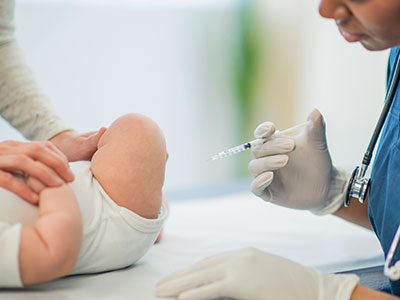
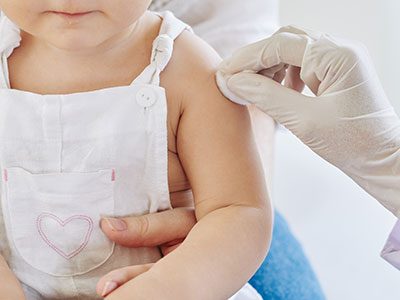
A single vitamin K injection given shortly after birth provides reliable protection against VKDB. This one-time dose helps ensure your baby has enough vitamin K during the months when they are most vulnerable to bleeding.
The vitamin K shot is effective for healthy, full-term newborns and offers even more protection for babies who may have additional risk factors, such as prematurity or certain liver conditions.
Oral, or by-mouth, vitamin K is not as effective. Vitamin K levels drop quickly after oral doses, which can leave infants unprotected. The injection provides steady and lasting protection when babies need it most.
Is the vitamin K shot safe?
Yes. Vitamin K has been routinely given to newborns in the United States for more than 60 years and is considered the standard of care. It is endorsed by the American Academy of Pediatrics and widely supported by pediatric experts.
The injection has a strong safety record and has been shown to dramatically reduce the risk of vitamin K deficiency bleeding. Today, the vast majority of babies born in the U.S. receive this important preventive care at birth.
What parents should know
Choosing care for your newborn can feel overwhelming, especially in the first hours after delivery. The vitamin K shot is one of the simplest and most effective ways to protect your baby from a rare but serious bleeding condition.
If you have questions or concerns, talk with your pediatrician or care team. They can help explain how vitamin K works and why it plays such an important role in keeping newborns safe during their earliest months of life.





 https://riseandshine.childrensnational.org/wp-content/uploads/2026/01/boy-flexing-after-vaccine-feature.jpg
300
400
Rise and Shine
https://riseandshine.childrensnational.org/wp-content/uploads/2017/11/childrens_riseandshine_logo.jpg
Rise and Shine2026-01-20 16:52:102026-01-20 16:52:10What parents should know about childhood vaccines
https://riseandshine.childrensnational.org/wp-content/uploads/2026/01/boy-flexing-after-vaccine-feature.jpg
300
400
Rise and Shine
https://riseandshine.childrensnational.org/wp-content/uploads/2017/11/childrens_riseandshine_logo.jpg
Rise and Shine2026-01-20 16:52:102026-01-20 16:52:10What parents should know about childhood vaccines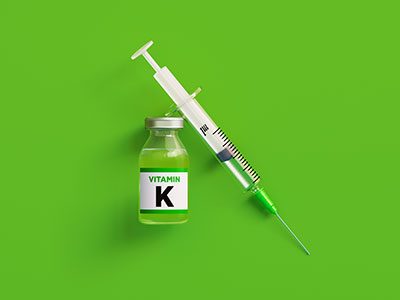







Leave a Comment
Want to join the discussion?Feel free to contribute!