For most people, fall means sweater weather, apple picking and pumpkin spice lattes. For pediatricians, it means flu and RSV season.
What is RSV?
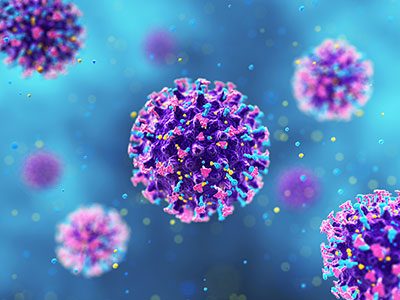
Respiratory syncytial virus (RSV) is one of the most common respiratory infections in babies and young children. RSV season usually lasts from October to March, with cases often peaking in December and January.
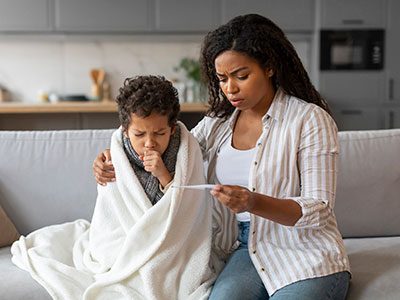
While many children experience RSV as a cold with cough and congestion, it can cause more serious illness in young infants and children who are at higher risk. RSV can lead to bronchiolitis and pneumonia, which can mean an emergency department visit or even a hospital stay. RSV is incredibly common. In fact, most children will be infected by the time they are 2 years old.
How RSV immunization protects babies
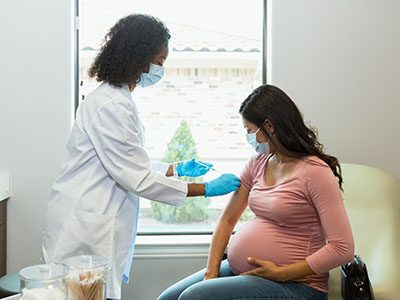
For many children, RSV causes only mild illness. However, it is not always possible to know which child will develop serious breathing problems or need to be hospitalized. The good news is that we now have one of the most effective tools to help prevent severe RSV illness: immunization!
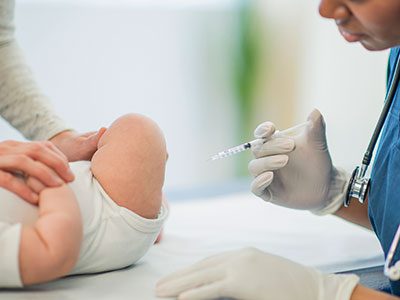
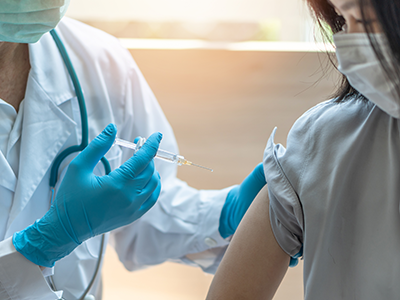
For infants and young children, RSV prevention comes from long-acting monoclonal antibodies, most commonly nirsevimab (Beyfortus) or clesrovimab (Enflonsia). These products give children antibodies that help protect against severe RSV disease during respiratory virus season. They are different from traditional vaccines because they provide ready-made antibodies that start working right away.
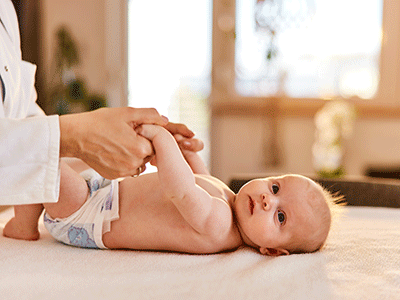
RSV immunization is recommended for babies younger than 8 months who are entering their first RSV season and are not already protected through RSV vaccination during pregnancy. The goal is simple: lower the risk of severe RSV disease and hospitalization during the months when RSV is most active.
During the 2024-25 RSV season, the first season when both maternal RSV vaccination and infant RSV immunization were widely available in the United States, the Centers for Disease Control and Prevention (CDC) found encouraging results. Hospitalization rates for infants younger than 8 months were 28% to 43% lower than in similar RSV seasons before the pandemic, depending on the surveillance network. Among infants younger than 3 months, hospitalization rates dropped by about half.
RSV protection in your child’s second season
There is also newer evidence about protection beyond a child’s first RSV season. A 2026 study published in Pediatrics found that children who received nirsevimab during their first RSV season had a 17% lower risk of hospitalization for lower respiratory tract illness during their second RSV season. Among children with confirmed RSV infection, the reduction was about 25%. These findings are encouraging because hospitalization is one of the most serious outcomes of RSV in young children.
Parents are sometimes surprised to learn that RSV protection may also be recommended during a child’s second RSV season. The American Academy of Pediatrics (AAP) recommends a dose of nirsevimab for certain children ages 8 to 19 months who are at higher risk for severe RSV disease and are entering their second RSV season. This includes children with certain chronic lung or heart conditions, severe immune system problems and other conditions that place them at higher risk.
However, not every child needs RSV immunization during their second season. Every child’s situation is different. Whether and when your child should get RSV protection depends on their age, medical history, past immunizations and current recommendations. If your child is entering their first or second RSV season, talk with your pediatrician about whether RSV immunization is right for them.
Other ways to help prevent RSV
In addition to RSV immunization when recommended, families can reduce the spread of RSV and other respiratory viruses by:
- Washing hands often
- Keeping young babies away from people who are sick
- Keeping children home when they are ill
- Cleaning surfaces that are touched often
As pediatricians, our goal is not simply to treat children once they get sick. Whenever possible, we want to prevent serious illness before it starts. RSV immunization is one of the tools that helps us do exactly that. We are grateful to have effective ways to reduce the burden of a virus that has historically caused thousands of hospitalizations among young children every year. What we hope for is simple: fewer sick children, fewer hospitalizations and healthier respiratory seasons for our families.




 https://riseandshine.childrensnational.org/wp-content/uploads/2026/10/kids-traveling-feature.jpg
300
400
Rise and Shine
https://riseandshine.childrensnational.org/wp-content/uploads/2017/11/childrens_riseandshine_logo.jpg
Rise and Shine2026-10-21 17:30:072026-10-21 17:30:07Travel vaccines for kids: What to know before holiday travel





Leave a Comment
Want to join the discussion?Feel free to contribute!