Climate change is more than just a buzzword — it is already having a real impact on our lives, especially on children’s health. As parents and caregivers, it is natural to want to protect kids from harm. Today, that also means protecting them from the health effects of climate change. Let’s break down what is happening, how it affects children and what you can do to help keep your family safe and healthy.
What is the greenhouse gas effect and why should I care?
The greenhouse gas effect happens when gases like carbon dioxide (CO2) are released into the air, mostly because of human activities like burning coal, oil and gas. These gases trap extra heat in the atmosphere, which changes weather patterns and affects how the Earth regulates itself. This is what we call climate change.
The science can sound complicated, but the takeaway is simple: Our actions today are making the world less predictable and more dangerous for kids.
Why are kids more at risk from climate change?
Children are especially vulnerable to climate change for several reasons:
- They rely on adults for their health and safety.
- Their bodies cannot regulate temperature as well as adults can.
- Kids’ immune systems are still developing, so they may not fight off infections as well.
- They face more exposure to environmental risks because they breathe faster, spend more time outside, and eat and drink more relative to their body size.
How does climate change affect children’s health?
Climate change can affect kids in many ways:
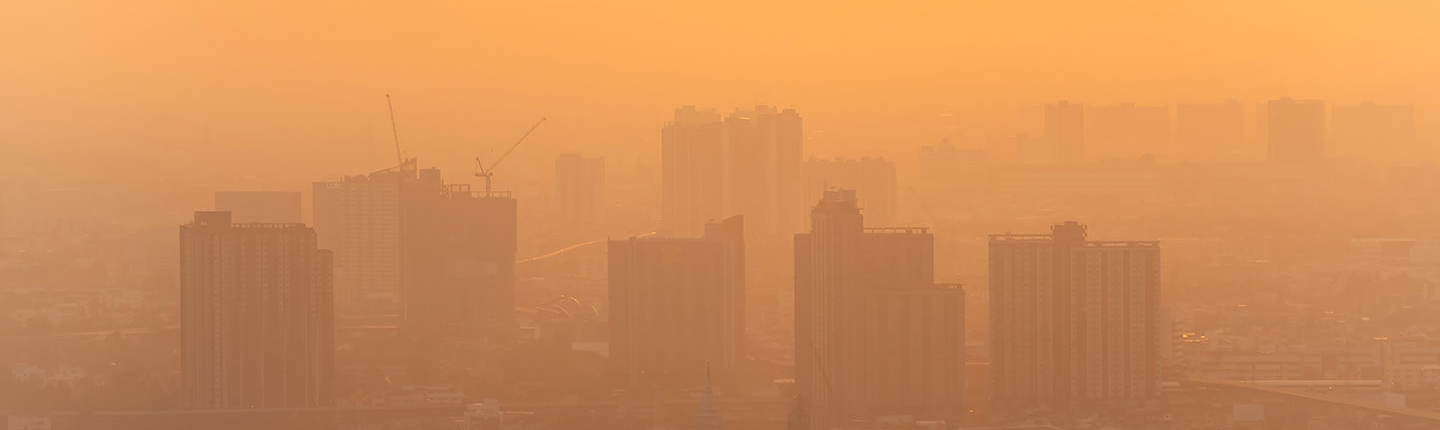
- Asthma and breathing problems: More greenhouse gases can mean more air pollution, more asthma triggers and higher temperatures. Together, these can lead to more asthma attacks and make it harder for kids to breathe. Poor air quality, pollen, mold and smog can all get worse with climate change.
- Heat-related illnesses: Hotter days and more intense heat waves are becoming more common. Kids are less able to cool off than adults and may not recognize when they are overheating. This puts them at risk for dehydration, headaches, trouble sleeping and even serious heat illness.
- Allergies: Extra CO2 and warmer weather can cause plants to grow more and release more pollen for longer periods. This can lead to longer and more intense allergy seasons, which may affect kids’ mood, sleep and school performance.
- Infectious diseases: Warmer weather helps mosquitoes and ticks survive and spread. These insects can carry diseases like West Nile virus, Zika and Lyme disease. Flooding and warmer water can also help germs grow, leading to more waterborne illnesses.
- Extreme weather events: Hurricanes, floods, wildfires, blizzards and tornadoes are becoming more frequent and severe. These disasters can cause power outages, unsafe living conditions, stress and trauma. They can also make it harder to access clean water, food and health care.
What can families do to protect kids from climate change?
It is easy to feel overwhelmed, but there are practical steps you can take to help protect your children:
- Monitor air quality: Use the Air Quality Index and pollen or allergy counts to decide whether it is safe for your child to play outside, especially if they have asthma or allergies.
- Keep indoor air clean: Close windows on bad air days, use HEPA filters or make a DIY air filter, and keep your home clean to reduce dust and allergens.
- Plan for heat: On hot days, keep kids inside during peak heat, make sure they stay hydrated and never leave children in cars. Cover windows with drapes or blinds and make a heat plan for your family.
- Manage allergies: Change clothes and wash hands after coming inside, keep windows closed when pollen is high and talk with your doctor about allergy medicines and treatment plans.
- Prevent infections: Use bug spray, check for ticks, wear long sleeves and pants outdoors, and remove standing water to help keep mosquitoes away. Be aware of local disease risks and talk with your doctor before traveling or after extreme weather events.
- Prepare for emergencies: Know which types of severe weather are common in your area. Sign up for emergency alerts, create an emergency kit and make a family disaster plan.
How can families help slow down climate change?
You might feel like one person cannot do much, but small changes can add up. Here are simple ways families can make a difference:
- Reduce your energy and water use by turning off lights, unplugging electronics, fixing leaks and running appliances only when full.
- Use public transportation, walk or bike more often.
- Enjoy parks and green spaces and support efforts to plant more trees.
- Talk to your kids about climate change and why it matters.
- Join local community projects that promote sustainability.
- Support policies and leaders who prioritize protecting children’s health and the planet.
Where can I learn more or get help?
If you have questions about your child’s health, talk with your pediatrician. For tips on air quality, heat safety and emergency preparedness, look to trusted sources like the CDC, EPA and your local health department.
And remember: You are not alone. By taking steps to protect your kids and support a healthier planet, you are helping build a safer future for everyone.
Climate change is a big challenge, but with knowledge and action, families can make a real difference in keeping kids healthy and safe.


 Taylor Brewer, MD, is a pediatric resident at
 https://riseandshine.childrensnational.org/wp-content/uploads/2021/05/college-students-eating-feature.png
300
400
Rise and Shine
https://riseandshine.childrensnational.org/wp-content/uploads/2017/11/childrens_riseandshine_logo.jpg
Rise and Shine2026-09-10 07:00:562026-09-10 14:07:06Going to college with celiac disease
https://riseandshine.childrensnational.org/wp-content/uploads/2021/05/college-students-eating-feature.png
300
400
Rise and Shine
https://riseandshine.childrensnational.org/wp-content/uploads/2017/11/childrens_riseandshine_logo.jpg
Rise and Shine2026-09-10 07:00:562026-09-10 14:07:06Going to college with celiac disease















Leave a Comment
Want to join the discussion?Feel free to contribute!