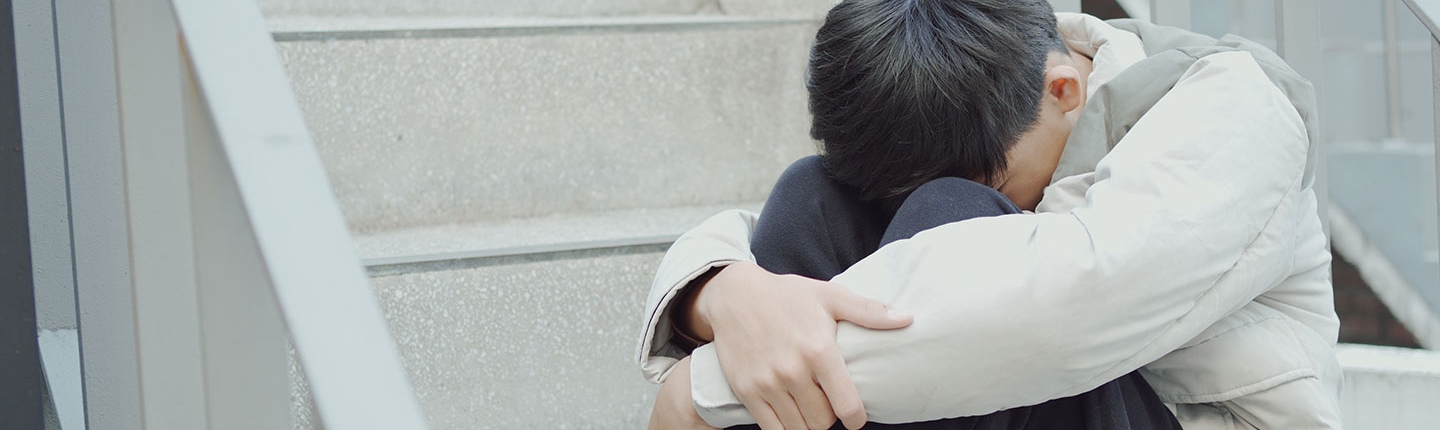
The teen years are an important time. Teens feel strong emotions, take more risks and work toward being more independent. These new roles and social experiences can affect teen mental health. These changes can make life exciting but also stressful. For autistic teens, this stress can be even stronger!
Suicide is the second leading cause of death for people ages 10–24. Autistic teens are at higher risk for self-harm. Some studies show that they are 7-8% more likely to have suicidal thoughts and behaviors than non-autistic youth. Families may find it hard to know how to support their autistic teen, especially when many resources are not designed for autistic people.
Warning signs to watch out for
Autistic teens may find it hard to notice or explain when something is wrong. Clear and direct questions can help them understand their feelings and triggers. Making a safety plan together can also help. Safety plans include coping skills and knowing who can support them. Some warning signs that your autistic teen may have suicidal behavior are:
- Pulling away from friends or family
- Not being able to use words to show distress
- They or someone close to them had a recent stressful or traumatic event.
- More self-harm behaviors
- More anxiety and depression symptoms
- Talking more about suicide or death-related topics (that are not a special interest)
- Looking for ways to harm themselves
- Saying they feel hopeless or have no reason to live.
How parents can help
- If your teen is showing signs of suicidal behavior, there are support strategies you can use. As a parent, you can play an important role in asking your child about suicide.
- Ask direct, calm questions about how they are feeling.
- Help your child with safety planning
- Support and affirm your child’s autistic identity. This is an important step to creating a supportive and safe environment.
- Connect with neurodiversity-affirming communities or support groups.
Below we list relevant resources that may be helpful. However, always contact a professional if you are concerned. If you feel that your child is in immediate danger, you should always visit your nearest emergency room or call 988/911.
Resources


 https://riseandshine.childrensnational.org/wp-content/uploads/2026/03/sad-boy-hugging-his-legs-feature.jpg
300
400
webteam
https://riseandshine.childrensnational.org/wp-content/uploads/2017/11/childrens_riseandshine_logo.jpg
webteam2026-03-05 18:54:512026-03-10 10:49:17Supporting mental health for autistic teens
https://riseandshine.childrensnational.org/wp-content/uploads/2026/03/sad-boy-hugging-his-legs-feature.jpg
300
400
webteam
https://riseandshine.childrensnational.org/wp-content/uploads/2017/11/childrens_riseandshine_logo.jpg
webteam2026-03-05 18:54:512026-03-10 10:49:17Supporting mental health for autistic teens













Leave a Comment
Want to join the discussion?Feel free to contribute!