Have you ever eaten a large meal and still felt like you could eat dessert, even though you were physically stuffed? That’s because there are two types of hunger: physical hunger and mental hunger.
Physical hunger refers to our body’s need for nutrients and energy from food to keep us functioning. Mental hunger refers to our sensory and emotional needs, which may have nothing to do with food. However, it is not unusual for people to use food to address mental hunger. Eating can be a pleasurable experience, so someone who is feeling down may feel better if they eat a tasty treat. Someone who is bored may occupy their time by getting a snack. Eating can distract someone who is feeling stressed from their worries. We refer to this fulfillment of mental hunger as “satisfaction.”
The concern with frequent eating in response to mental hunger, often called emotional eating, is that it can become an unhealthy coping mechanism or habit. Someone may not even realize they’re doing it. When we regularly eat more food than our body physically needs, it can lead to health problems. Children and adolescents eat more frequently than adults do to meet the needs of their growing bodies, but it is important for parents to recognize when a child may be eating for reasons other than physical hunger.
When your child asks for food soon after a meal or snack
There are different levels of physical hunger, some of which may not necessarily mean a child needs to eat right away. Depending on their age, children and adolescents can usually go anywhere from two to four hours between eating occasions. Having a daily schedule for meals and snacks can help your family prevent extra grazing or snacking, which can lead to poor appetite and poor nutrition.
Remind your child that they just ate and will have another opportunity to eat at the next scheduled time. Offer them an activity to do, especially away from easy access to food, to keep them occupied until then. Sometimes very young children or children with developmental delays may use the word “hungry” to express a need they have but do not yet have the vocabulary for.
How to make meals and snacks both filling and satisfying
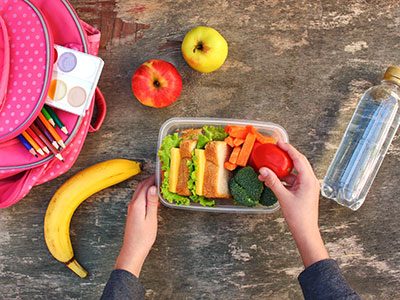
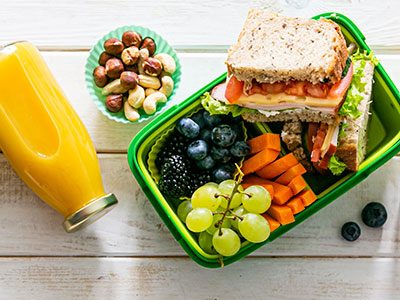
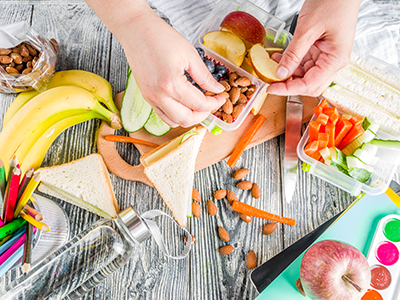
Eating is a sensory experience, so to meet both the physical need and the mental stimulation food can provide, it helps to include a variety of foods in meals and snacks. For snacks, having two different types of food is fine. For meals, having at least three different types of food is recommended.
Choose foods with different textures, colors, and flavors to provide different sensory experiences. This can also help meals and snacks feel more physically filling, so we do not need to eat too much food in order to feel full. If your child has a very limited or selective diet due to sensory aversions, offer a selection of different items within their accepted foods and include small bites of new foods as well.
Finding the balance between eating for health and eating for pleasure
Eating can fulfill a need beyond physical functioning. Many holidays, social situations, and special occasions involve food. We may also occasionally treat ourselves after a particularly bad or good day. This is fine.
What is important is not having so many instances of emotional eating that we are no longer eating a balanced diet. At the same time, we do not want to focus so hard on balance that we feel we are denying ourselves special foods. When having special foods or treats just because, it can help for families to do this together. Talk about how you feel while eating the food, what senses you experience, and how that food fits into your overall diet. Encourage your family to take their time eating so they can enjoy the food and share what they notice.
If you are concerned that your child is eating when they are not physically hungry, talk to them about how they are feeling in that moment without judgment. Offer support and empathy if they express that they are eating for emotional or sensory reasons, or help them figure out whether what they are feeling is physical or mental hunger. If your child seems physically hungry more often than you would expect or has trouble staying full, talk with your pediatrician or a dietitian.




 https://riseandshine.childrensnational.org/wp-content/uploads/2026/03/mom-and-daughter-in-kitchen-feature.jpg
300
400
webteam
https://riseandshine.childrensnational.org/wp-content/uploads/2017/11/childrens_riseandshine_logo.jpg
webteam2026-03-23 13:28:202026-03-23 16:53:47Physical vs. mental hunger: Helping children build healthy eating habits
https://riseandshine.childrensnational.org/wp-content/uploads/2026/03/mom-and-daughter-in-kitchen-feature.jpg
300
400
webteam
https://riseandshine.childrensnational.org/wp-content/uploads/2017/11/childrens_riseandshine_logo.jpg
webteam2026-03-23 13:28:202026-03-23 16:53:47Physical vs. mental hunger: Helping children build healthy eating habits












Leave a Comment
Want to join the discussion?Feel free to contribute!